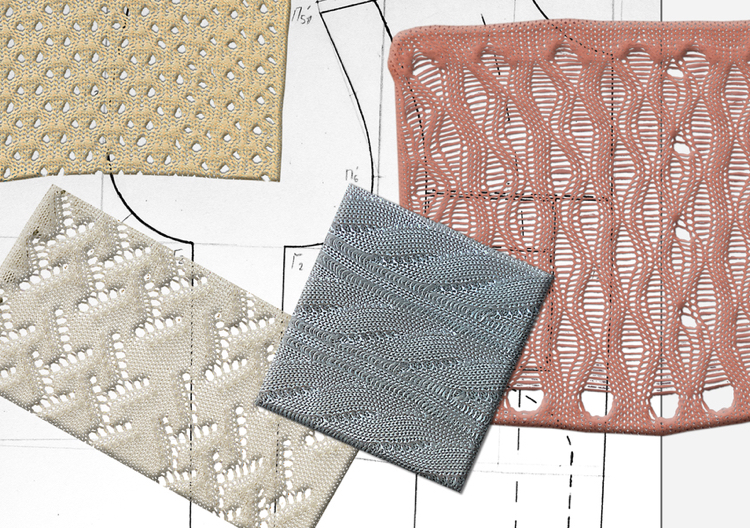
MASSACHUSETTS – A research team at the Massachusetts Institute of Technology (MIT) has developed a method of using polyethylene plastic in the production of textile fibres and fabrics.
They say the proof of concept could represent a breakthrough as the type of plastic, which typically falters when used in such a capacity due to its inherent inability to wick away and evaporate moisture, demonstrated that it in fact has the potential to be hydrophilic.
Svetlana Boriskina, a mechanical engineer at MIT, told the institute’s news channel: “You can refresh the material by rubbing it against itself, and that way it maintains its wicking ability. It can continuously and passively pump away moisture.”
Or if you prefer email, click on the button below and we'll get back to you asap
Why Subscribe?
Looking beyond the cutting edge of textile innovation allows you to stay well ahead of the competition. That’s exactly what you get through a subscription to T.EVO – which delivers a refreshing new take on the rapid evolution of today’s dynamic textile sector.
Key T.EVO benefits:
Exclusive quarterly printed magazine delivered to your door
Unlimited online access to all T.EVO premium news and features
Unlimited online access to all T.EVO archived content
Unlimited online access to digitised back-issues of T.EVO
Daily online technical news, comment and analysis
Exclusive interviews and textile show reports
Weekly e-news round-up of key developments
Exclusive discounts on all MCL Global publications
You will learn about:
The very latest advances in polymer & fibre technology
Exciting functional innovations for performance fabrics
The growing possibilities of digital and 3D textile printing
How nanotechnology will re-draw the boundaries of textiles technology
The new frontiers of textile coloration
Smart manufacturing with the new generation of textile machinery
Integrating electronics into wearable textiles
Advances in workwear, military and medical fabrics
Composite materials and functional finishes
Game-changing research and novel textile patents
All this from MCL Global – the fastest growing international textile publisher – which can now offer today’s textile industry a unique preview of how today’s industry will look tomorrow.